

GC-WW
Classic green
Start with a traditional green profile. Review a coordinated height range, foliage density, warm-white lights and your own retail packaging.
Use this style as a referenceEAT’s 2026 U.S. stock season is winding down. New stock orders close by the end of November; availability and timing need confirmation.
Need U.S. stock?EATManufactured by Jingcan
Jingcan manufactured EAT’s 2026 U.S. ready-stock trees. Bring your own brand, reference or assortment plan to the factory behind them, and develop the foliage, lighting and packaging for your next season.


These are actual EAT season styles, made by Jingcan. They give your brief a clear starting point, without fixing the price or availability of a future factory order.
Start with a traditional green profile. Review a coordinated height range, foliage density, warm-white lights and your own retail packaging.
Use this style as a referenceUse the snowy appearance as a reference. Compare snow coverage, branch details, light placement and the presentation of each size.
Use this style as a referenceExplore a coordinated decoration concept, lighting, support structure and storage pack. Confirm the full assembly with a sample.
Use this style as a referenceFactory development may change materials, construction and order terms. These photos do not indicate remaining U.S. stock.
Explore Jingcan’s factory range. Choose a tree direction, then coordinate wreaths and garlands through foliage, decoration and lighting. Exact combinations are reviewed for your project.
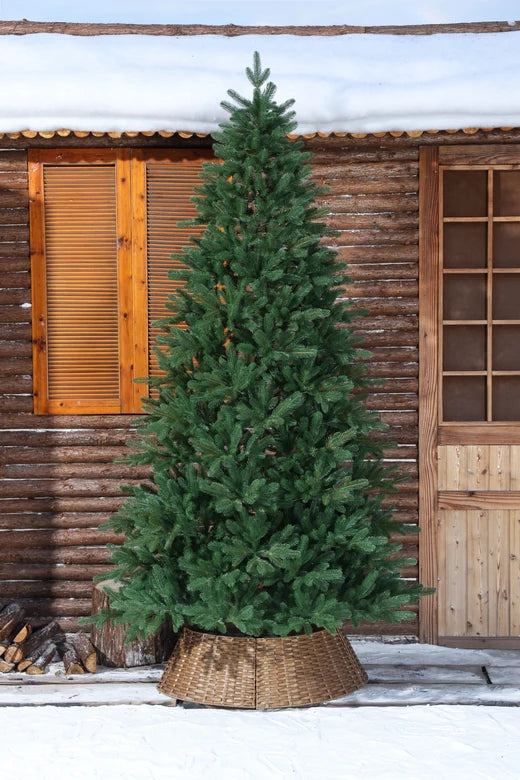
A full green profile for a traditional collection. Compare foliage, branch shape and fullness.
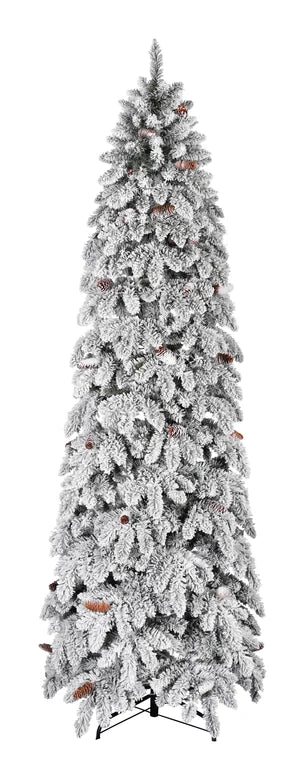
Explore a slimmer snowy silhouette, then agree on coverage, branch detail and decoration.
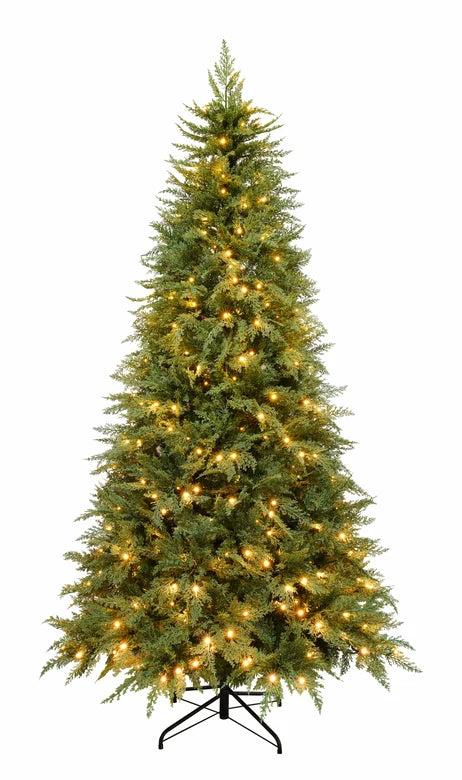
A warm-white pre-lit tree. Confirm light count, distribution and functions for your project.
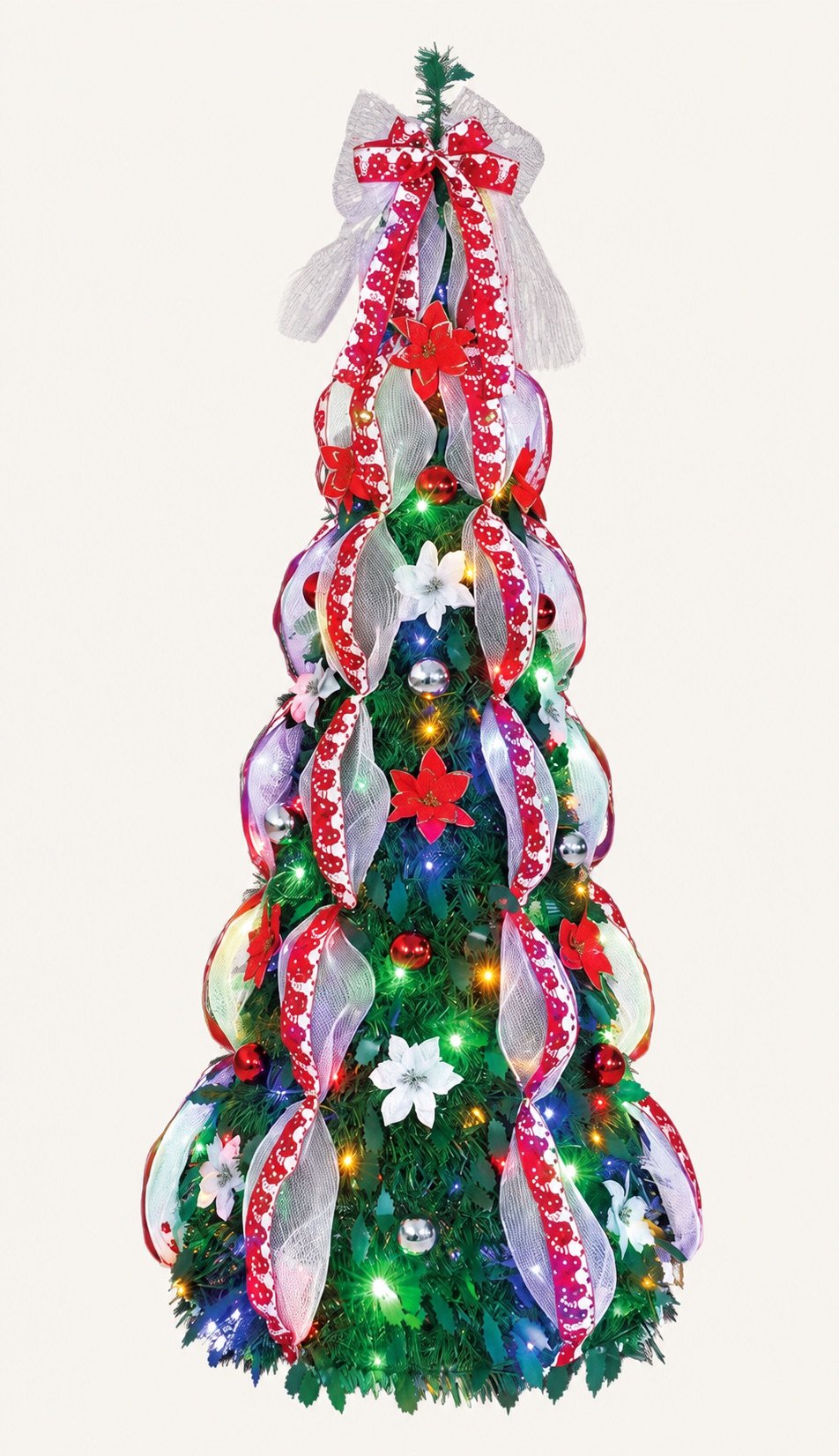
A ribbon-decorated direction. Review the finished display, support and collapsed package together.
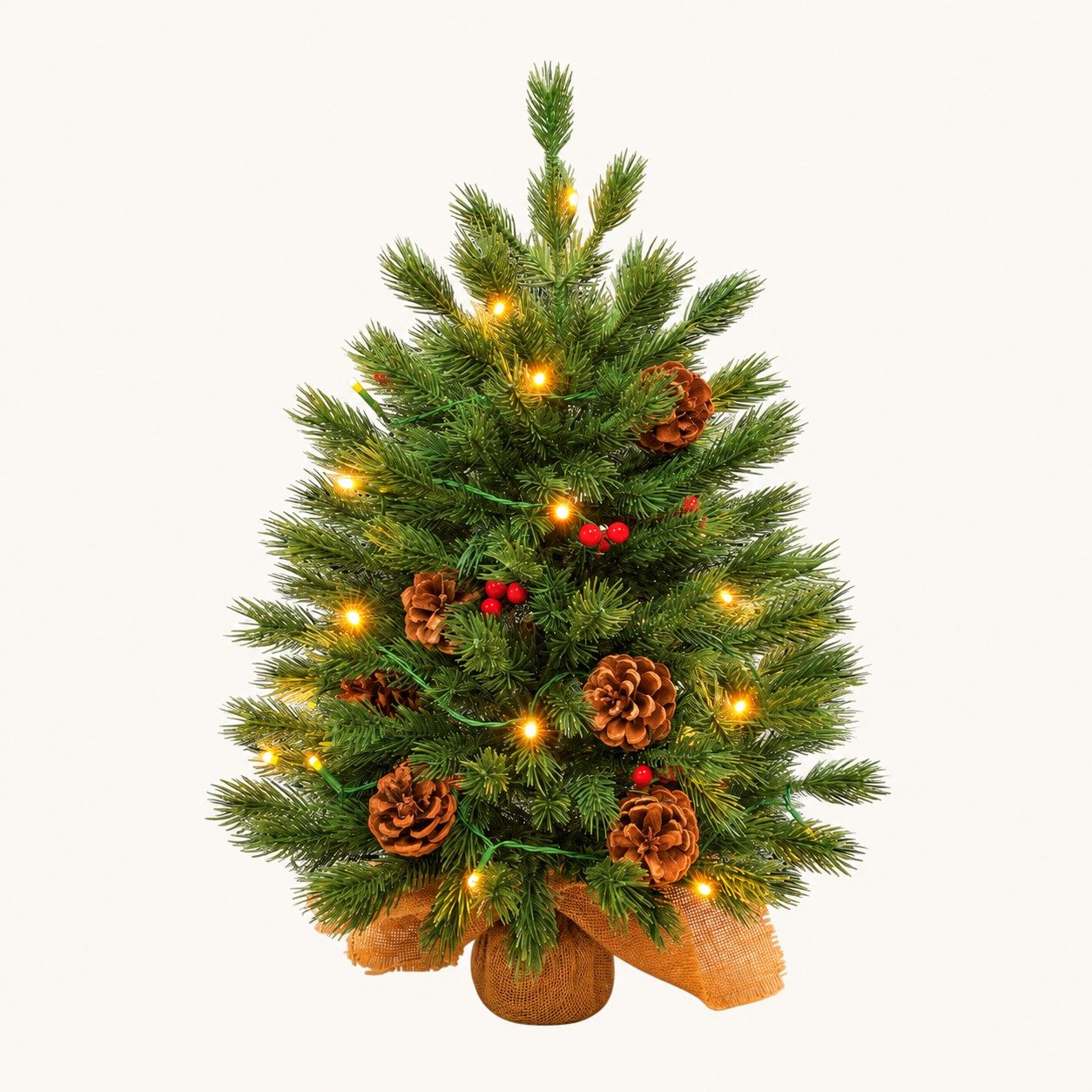
Develop a smaller display with coordinated foliage, decorations and base treatment.

A Santa-hat tree shows how a curved top creates a distinctive silhouette. Review the shape, color, decorations and lighting for your project.

Coordinate the foliage, diameter and decorations with your tree collection. Lighting is reviewed separately.
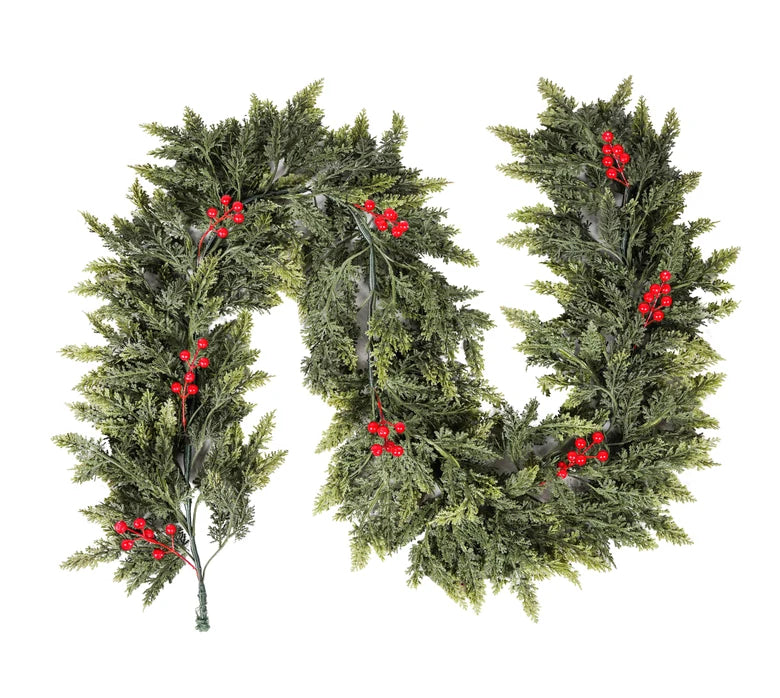
Review length, foliage density and decorative details for a coordinated seasonal range.
Product directions can overlap: a flocked tree can also be pre-lit. These are factory-range examples, not EAT U.S. stock availability. Wreath and garland minimum quantities are quoted separately from tree orders.
Two trees of the same height can occupy very different floor space. Compare the finished outline, base diameter and branch presentation before building a size range.
A broad traditional silhouette for open displays. Agree on the finished diameter and fullness rather than relying on height alone.
Discuss a narrower silhouette for limited floor space. Review branch reach, decoration space and the balance of the whole assembled tree.
Specify the intended height and width for each size. Sections, branch layout, stand and carton need review as a system.
Other development directions include half, upswept, drooping, bent-top and inverted profiles. Share the display reference first; construction and feasibility need project review.
Start with the finished silhouette and foliage presentation, then confirm leaf shape, material mix and branch placement. These are appearance references, not a claim that every tree has the same specification.
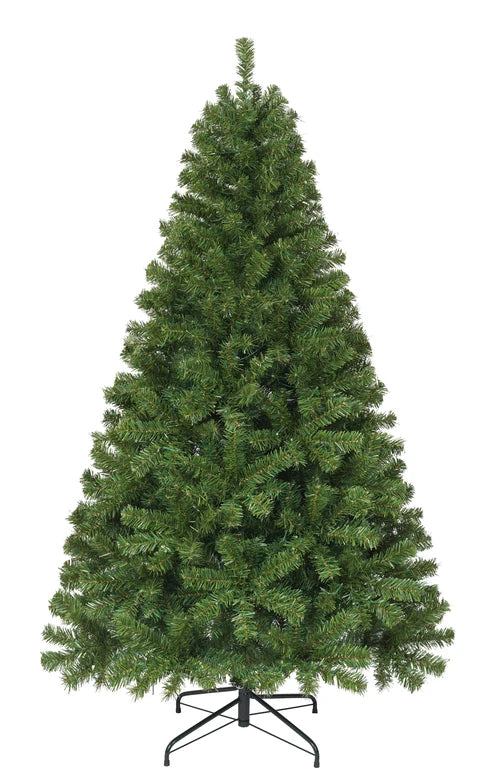
Flexible cut foliage creates a classic tree texture. Review leaf shape, branch layout and fullness with the target price position.
Moulded tips create a three-dimensional needle appearance. Specify the selected branch form and its placement; this photo does not specify a PE percentage.

A PET pop-up example. Confirm the leaf sample, color and surface finish when comparing configurations.
Combine foliage forms across the exterior and interior of the tree. Agree on the material mix and distribution in the sample specification.
Leaf shape is specified separately: discuss PVC cut-tip shapes, moulded PE branch forms or pine-needle styling. Pine needle describes a leaf form; the material and exact construction need confirmation.
Each close-up below comes from the exact whole-tree photo beside it. Compare the overall result and the coverage before approving a sample.
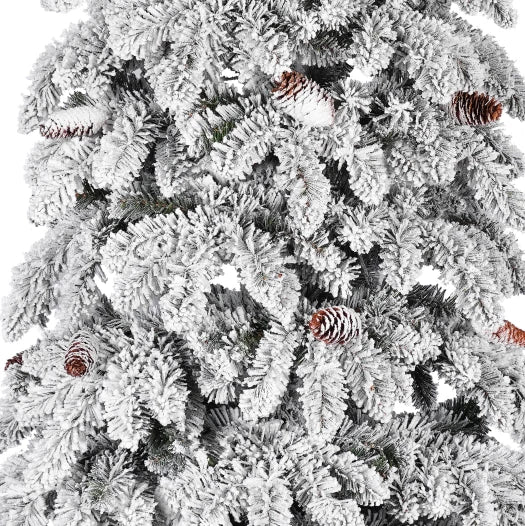
Review snow coverage, thickness and how much green remains visible across the finished tree.
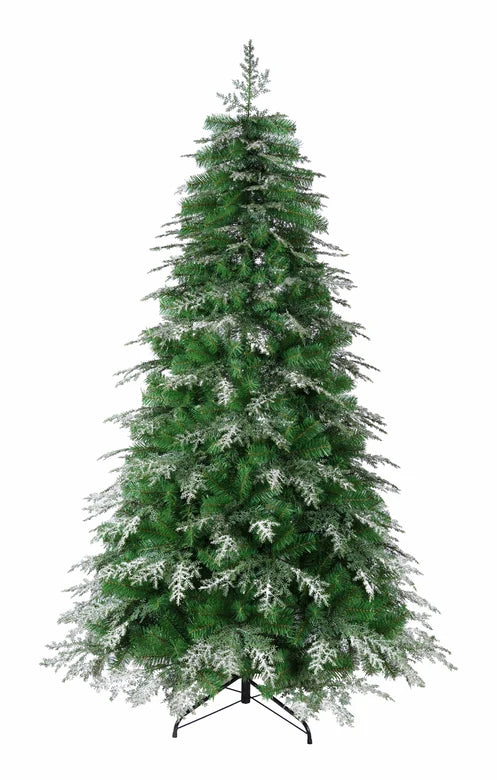
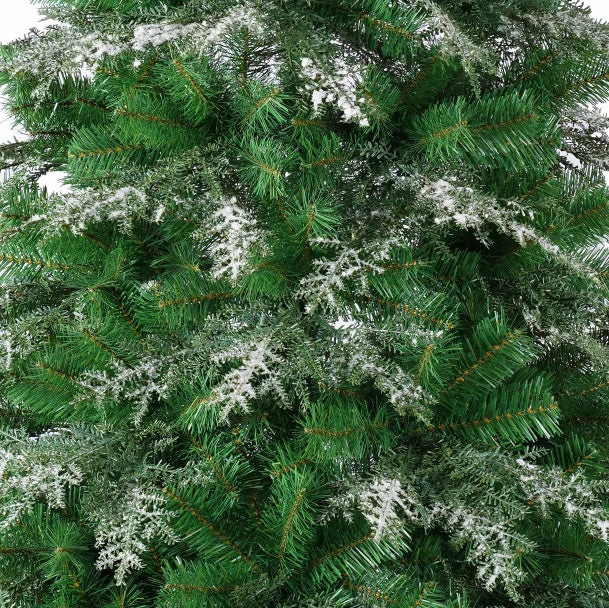
An ice-like appearance on the foliage. Review the actual sample for coverage and the overall effect.


Compare the particle texture with the complete-tree appearance. Confirm the particles, coverage and packing requirements with the sample.
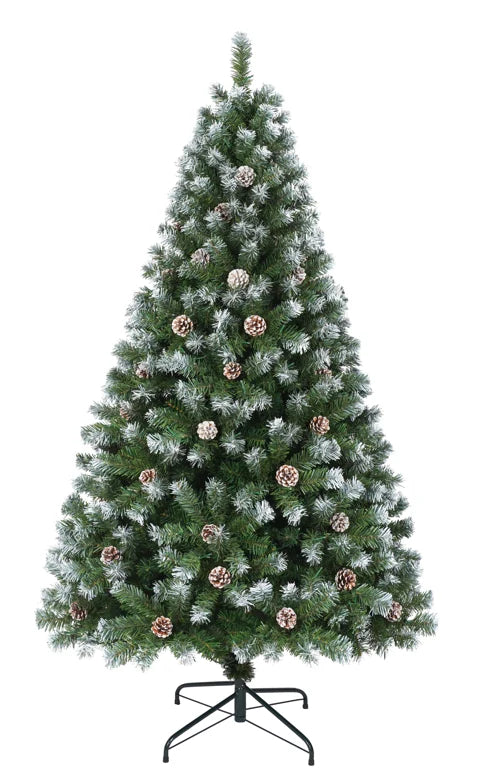
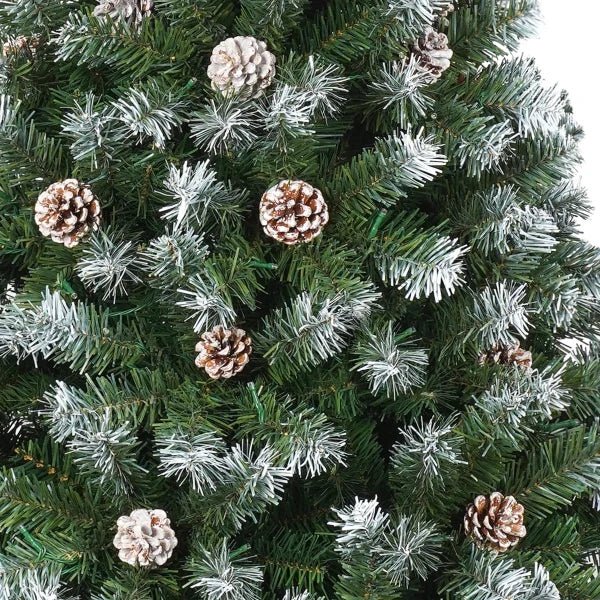
Compare the white treatment on the branch tips with the green visible across the complete tree. Agree on placement and coverage with the approved sample.
Other finish directions include iridescent or gold glitter. Share the desired complete-tree reference so the treatment, placement and packing can be reviewed together.
See warm-white, multicolor, two appearances of the same dual-color tree and an illuminated fiber-optic tree. These photographs show the finished look; the light set, modes and controls are confirmed separately.
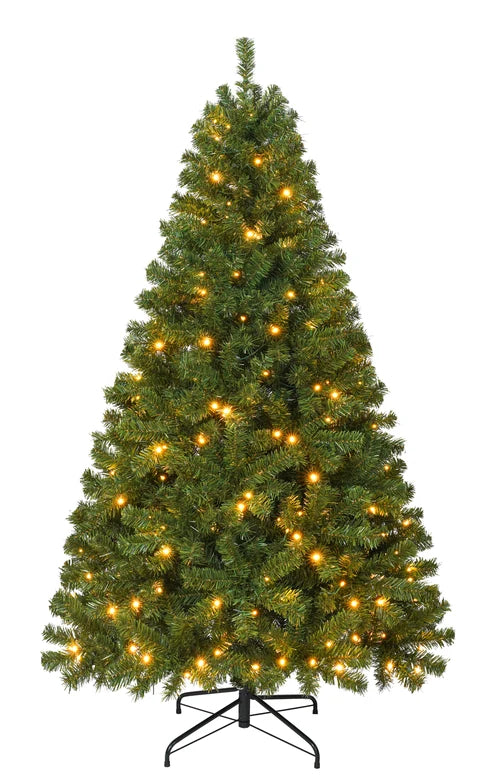
A warm glow across the full tree. Review the actual tone, light count and distribution with the selected sample.

A fixed-color product example from the four-color range. A multicolor picture does not demonstrate RGB or a changing mode.


The same tree photographed in warm-white and multicolor states. Agree on the available switching and control functions for the order.

See the illuminated fiber bundles across the finished tree. Confirm the tree topper, decorations and lighting effects with the selected sample.
Specify light type, color and modes, then review count, distribution, controller, power supply, plug and destination market together. Ask for the matching sample or a continuous lighting demonstration when the effect matters.
The connection method changes the assembly experience. Review it with the tree sections, stand, instructions and storage arrangement.
Branches are installed onto the trunk at their designated positions. Review branch identification and instructions so the intended arrangement is clear.
Branches remain connected and fold toward the trunk for packing. Opening the structure still needs the shaping shown in the approved assembly instructions.
Review the fixed branch arrangement and the amount of positioning and shaping needed. Confirm the construction on the selected model.
Pop-up construction is a separate discussion: check the support, base, assembled shape and collapsed package together. Metal, plastic or decorative bases are model-specific; the sample must confirm fit and stability.
Coordinate the product, artwork and packaging brief before finalizing an assortment. Each height and configuration may need its own packing specification.
Design work, packaging samples, tooling and any additional testing are discussed in the project quotation. They are not assumed to be included at no charge.
Jingcan’s manufacturing work began in 2006. These photographs show actual production activity; the operations used depend on the selected tree.
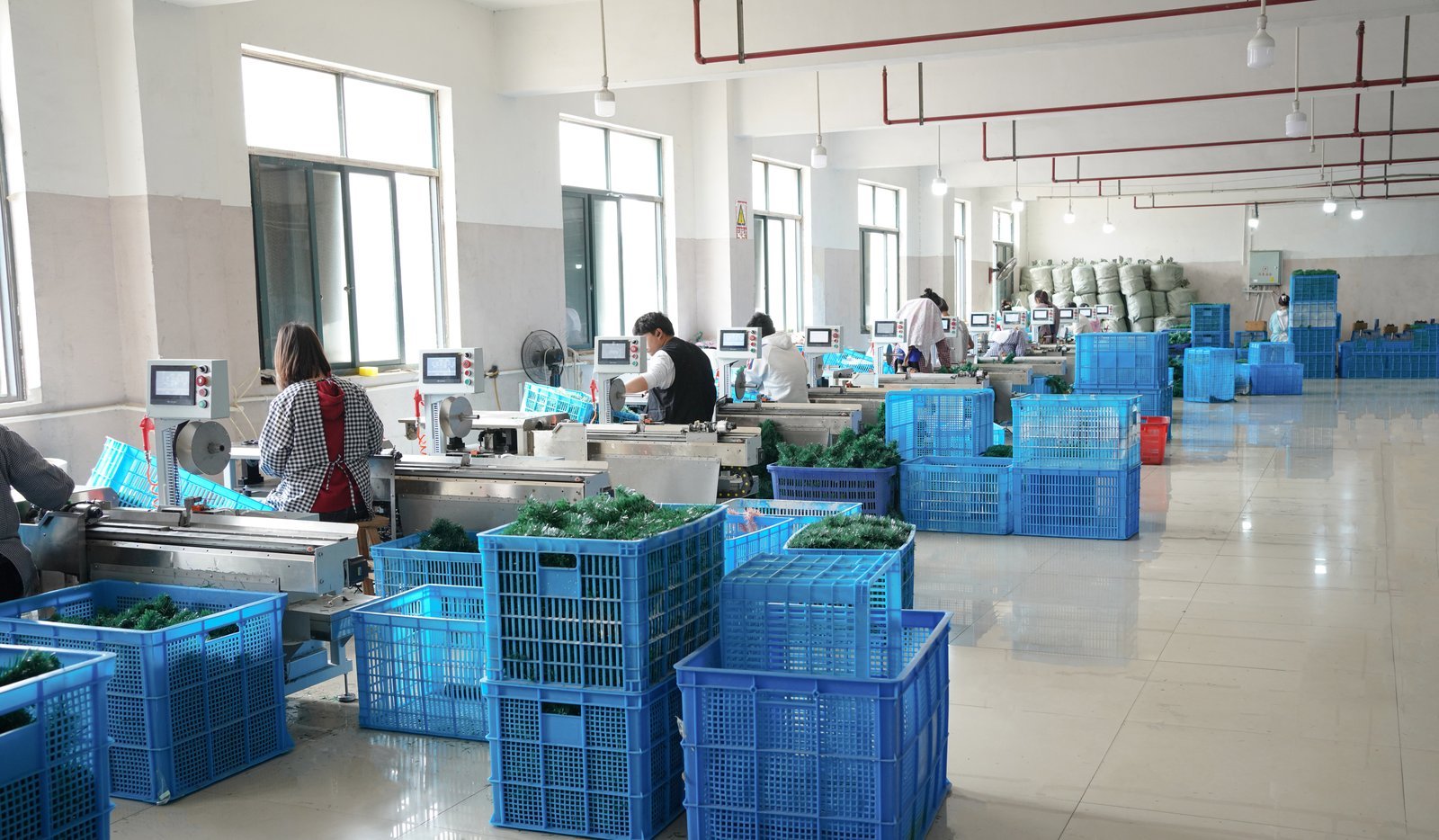
Build the branch arrangement for the selected construction. The approved foliage and profile guide how the finished tree is assembled.
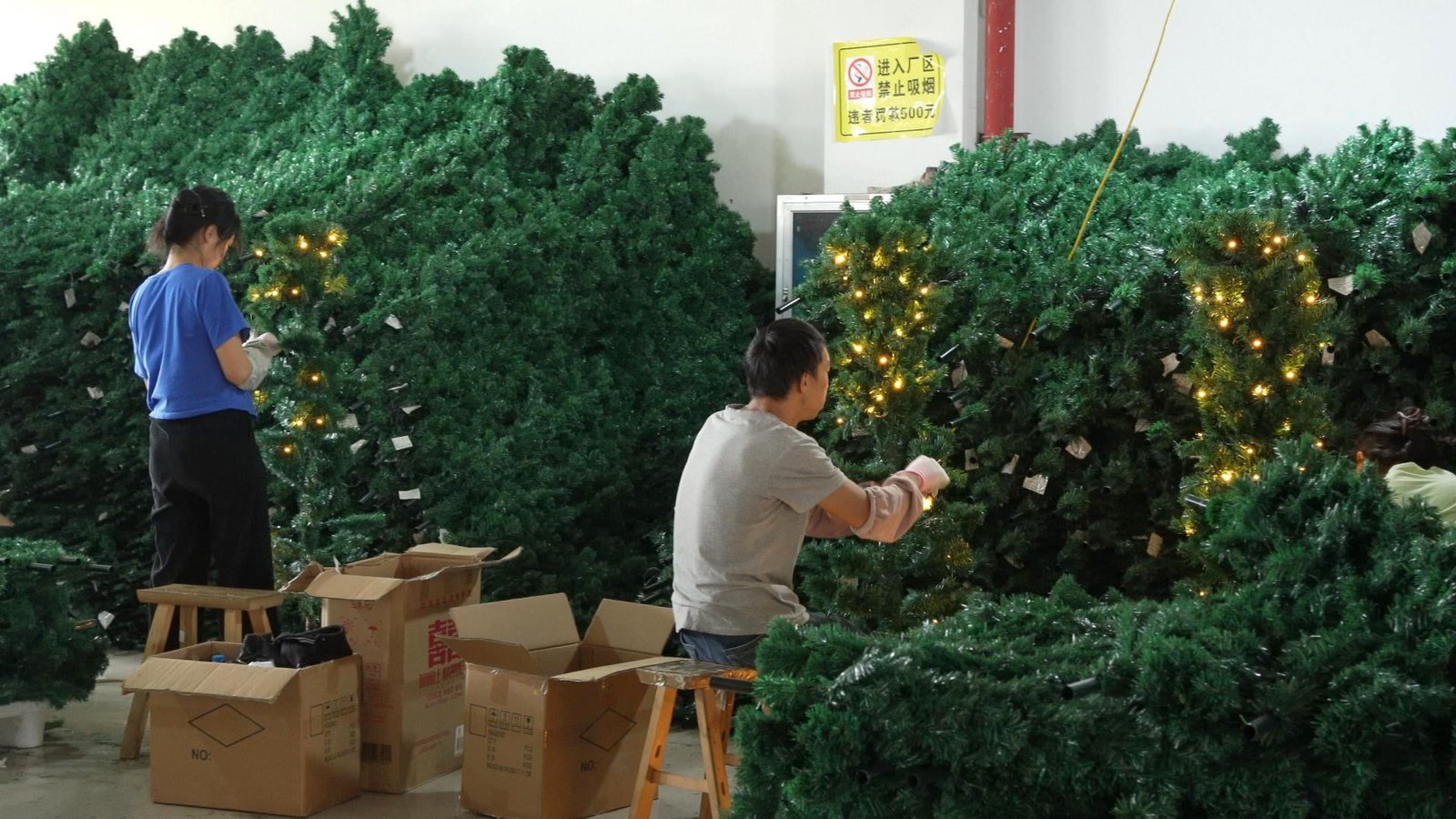
Place and secure the agreed light configuration. Count, distribution, control and electrical components need their own specification.
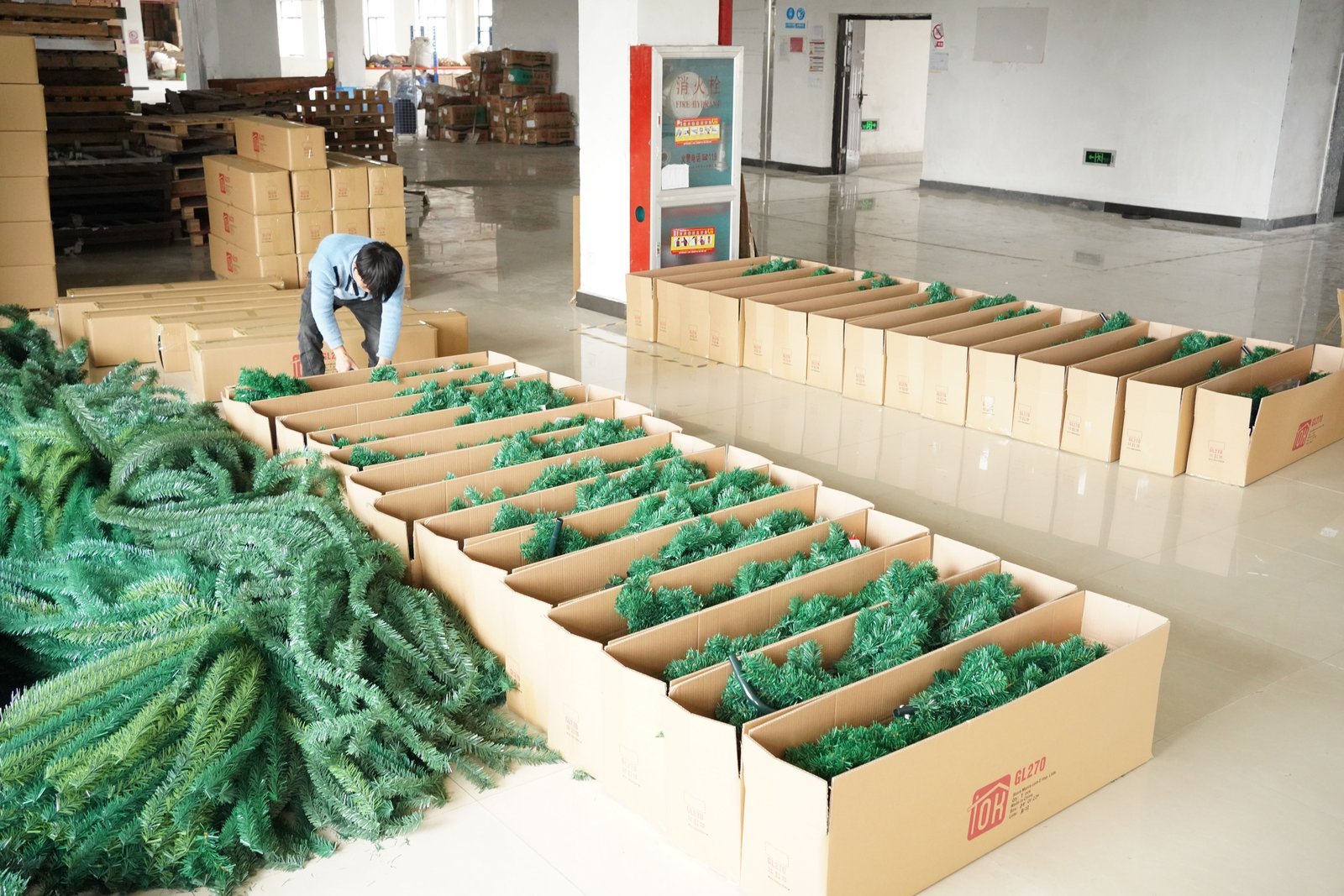
Pack the selected sections and components with the agreed carton and identification. Packing details need confirmation before bulk shipment.
Factory development is a Jingcan project. EAT’s U.S. ready stock and domestic fulfillment remain a separate buying route.
You do not need a complete technical specification to start. A clear reference and intended market let the team identify what is known and what still needs development.
Use a catalogue or EAT reference and confirm the exact configuration you want quoted.
Identify what should change: dimensions, foliage, snow finish, lights, decorations or packaging.
Share photos, a sample or drawings. Construction, material availability and development work need review first.
Reference, market, size range, expected quantities and target arrival window.
Agree on configuration, quotation basis, MOQ and sample scope, fees and timing.
Check the assembled appearance, foliage, lighting, structure, labels and packaging. Record agreed revisions.
Confirm the sample and written specification, then agree on bulk scheduling and inspection requirements.
Sampling is not an automatic promise of free samples, unlimited revisions or a fixed development period. Sample fees, transport and any new tooling are confirmed for the project.
Discuss the inspection scope before bulk production. Incoming materials, in-process work, finished goods and shipment checks are agreed for the selected order.
Compare profile, color, fullness and finish with the approved sample.
Check agreed dimensions, sections, branch connections and stand fit.
Review the agreed colors, modes, light distribution and electrical components.
Check assembly sequence, shaping guidance, components and instructions.
Confirm artwork, barcode, language and agreed product identification.
Review carton, protection, included parts and the approved packing specification.
Tell us the destination market and required standards early. Reports and certifications must match the specific model and configuration; no single approval is assumed to cover every tree. Customer or third-party inspection is discussed per project.
Use these factory planning references to prepare a conversation. The confirmed quotation and production arrangement control your order.
Simple processes typically start from 100 trees; more complex processes typically start from 500. Construction, finish, lighting and customization determine the applicable MOQ.
List the quantity for each style, size and configuration. Do not assume different models can be combined to meet one MOQ.
A production reference, subject to specifications, volume, materials and scheduling. Sampling, revisions and overseas transport are separate; this is not a U.S. arrival promise.
Common factory terms are 30% advance and 70% before shipment. The final quotation controls the agreed payment arrangement for the order.
These factory terms are separate from EAT’s U.S. stock terms. Send the required arrival date and destination so production and transport can be reviewed backwards.
Discuss OEM / ODM with JingcanStart with your email. A reference, size range, expected quantities, sales market and target date will help the team prepare a useful reply.
Yes. Send a reference photo or product link and tell us what you want to keep or change. We can identify which details need confirmation before quoting or sampling.
This is an EAT inquiry for a Jingcan factory project. Our sales team coordinates the manufacturing discussion with Jingcan and replies by email. You can also visit the factory website directly.
Include a public reference link in your brief, or email your images and files to info@eximiustree.com. This form does not upload attachments.
New U.S. stock orders close by the end of November, with availability and order timing confirmed individually. Paid orders continue to fulfillment. Jingcan factory development is a separate project route.
Only your reply email is required. This inquiry does not place an order.